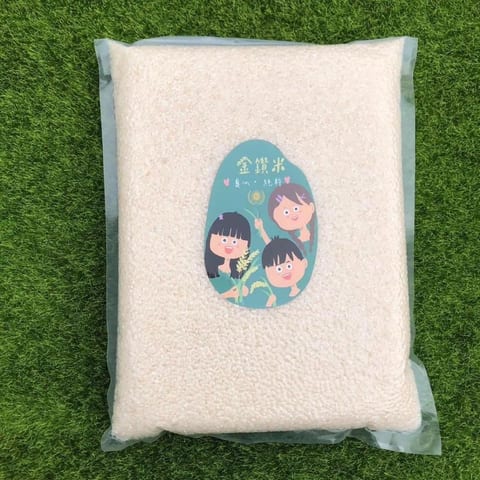
Royal Jade Diamond Fragrant Rice
One crop a year, the fragrance of Pingtung rice
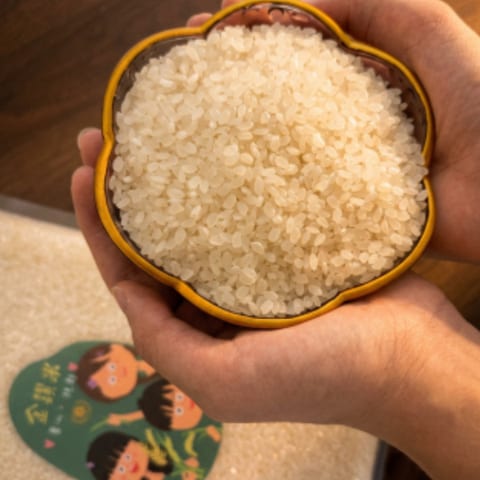
Glossy grains with a light, clean aroma
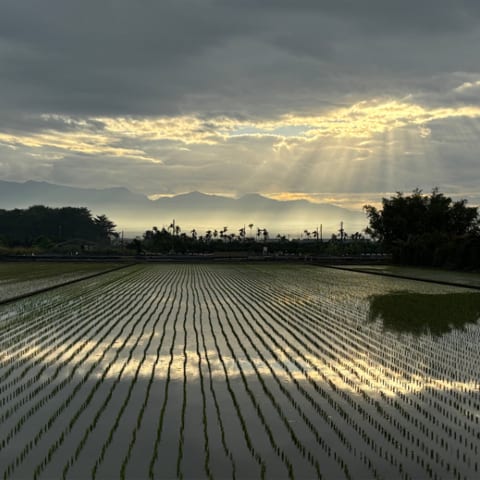
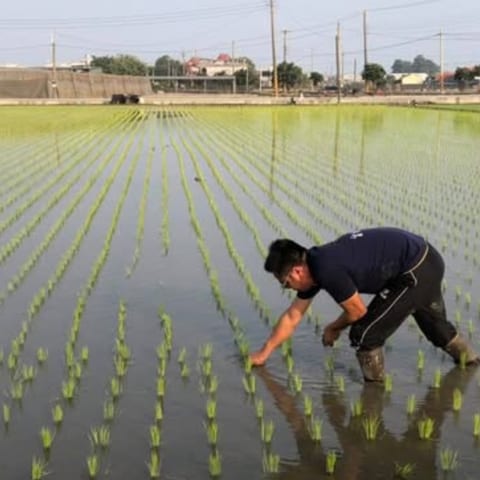
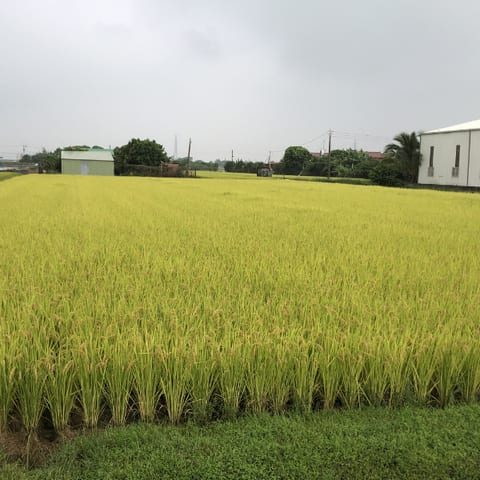
Around Lunar New Year, as soon as the soybean and adzuki bean fields are harvested, we flood and prepare the paddies to plant the year’s first rice crop. Golden apple snails, cold snaps, disease, birds and the rainy season each call for adjustments in how we grow it; what survives is harvested as the taste of this half of the year.
Proudly selected by our founder Brian Chien, a rice taster: grown without pesticides or chemical fertilizers, with glossy grains and a light, clean aroma, sorted to CNS Grade 1.
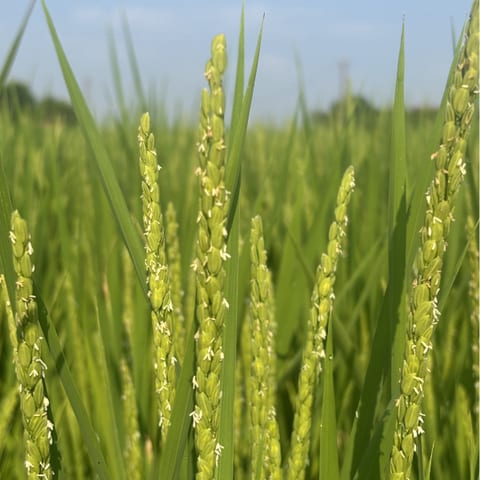
Kaohsiung No. 147 is an award-winning Taiwanese fragrant rice with a subtle taro-like aroma. Its grains are glossy and springy and stay soft when cool, good for everyday rice and lunch boxes, and often milled into rice flour for pastries.
- Ingredients
- White rice
- Variety
- Kaohsiung No. 147
- Cooking
- By weight, rice : water = 1 : 1; for firmer rice, try 1 : 0.9
- Size
- List price
- NT$320
Rice, beans and other grains ship for NT$150, charged once per order, separately from soy sauce and not counted toward free shipping on 6 bottles.
For larger quantities, please call or message us on LINE: 08-706-2222・LINE @royaljade